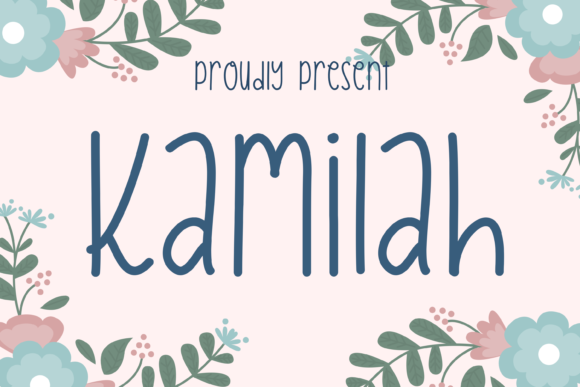
Kamilah: A Dainty Handwritten Font That Elevates Small Business Branding
Choosing Kamilah for Packaging Design and Product Labeling
As a creative consultant who works with small business owners on brand identity, I recently helped a local candle maker refresh her product labels. She wanted something soft, approachable, and elegant—without looking too generic. That’s when I introduced her to Kamilah, a script handwritten font that brought a natural, personal touch to her packaging. The dainty strokes and flowing style of Kamilah gave her candle jars a boutique feel, making her brand stand out in a crowded market. Whether it’s for candles, skincare products, or handmade soaps, this handwritten font works beautifully on small product labels where elegance and readability matter.
How Kamilah Enhances Brand Consistency Across Business Materials
One of the biggest challenges small businesses face is maintaining a cohesive visual identity. Fonts play a huge role in that. When I helped a local café redesign their menu and in-store signage, we used Kamilah for special sections like daily specials and dessert names. Its unique style added a warm, human feel to the design while still looking professional. As a script handwritten font, Kamilah blends well with more structured fonts, making it ideal for mixing in branding materials. From business cards to thank-you notes, this display font helped the café maintain a consistent and memorable tone across all customer touchpoints.
Using Kamilah for Social Media Graphics and Online Shop Banners
In the world of digital marketing, first impressions are everything. A boutique owner I worked with was updating her Instagram templates and Shopify banners. We wanted something that felt personal yet polished—something that didn’t look like it came straight out of a free font library. Kamilah’s clean, elegant strokes made it perfect for overlaying text on product images and promotional banners. It’s especially effective for short headlines or featured text in social media graphics. Because it’s a handwritten font, it adds a touch of authenticity that resonates well with online shoppers and followers alike.
Why Kamilah Works Well for Logos, Tags, and Thank-You Cards
When a local bakery wanted to update their brand, we started with the logo. They were looking for something that felt personal and artisanal. Kamilah was the perfect fit. Its natural flow and soft curves gave the logo a warm, approachable look that aligned with the bakery’s values. We extended that same font to their thank-you cards and paper tags, which helped reinforce brand recognition. As a premium font, Kamilah shines in short-form applications like logos, brand tags, and packaging accents. It’s not meant for long paragraphs, but it’s incredibly effective when used for display purposes where emotional connection matters.
Font Pairing Tips: Combining Kamilah with Other Typography Styles
Typography harmony is key to professional design. Kamilah pairs beautifully with clean sans serif fonts like Montserrat or Lato, making it ideal for mixing in editorial design or web design. If you're creating a brand that leans more elegant, try combining Kamilah with a soft serif font for contrast. The goal is to let Kamilah take center stage in headlines or accent text while supporting fonts handle body copy or secondary information. This font pairing strategy works well for everything from product packaging to digital ads, helping small businesses look more intentional and put together.
What to Check Before Using Kamilah in Commercial Design Projects
Before downloading any commercial font, it's important to verify what’s included in the license. Kamilah is a great choice for small business owners who want to use a handwritten font across multiple platforms—from printed packaging to digital shop visuals. Make sure your purchase includes multilingual support if your audience is global, and check that you have the rights to use it on merchandise, product labels, and client work. Also, look for alternate characters, ligatures, and different weights to ensure flexibility in your designs. These details make a big difference when building a scalable and consistent brand identity.